Transform Textile Waste Into Sustainable Value

What We Do?

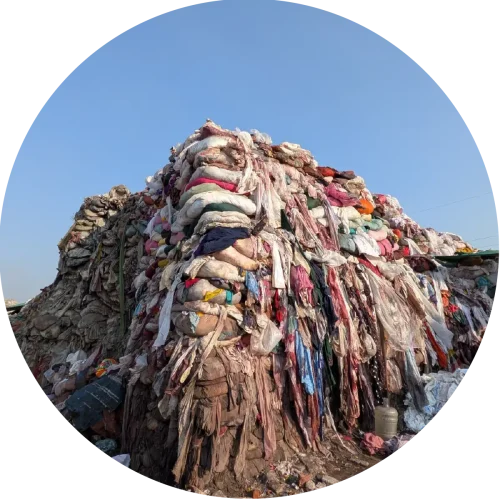
We collect, process, and recycle non-hazardous textile waste from garments factories, textile mills, buying houses, and production units.

Our solutions cover fabric waste, cutting scraps, jute waste, yarn waste, sewing leftovers, and other reusable textile materials. We turn discarded materials into valuable resources through responsible recovery, reuse, and sustainable recycling.

Retex Solutions helps businesses reduce waste, lower environmental impact, and build a stronger circular supply chain.

image-234573-1
Lorem ipsum dolor sit amet
consectetur elit.
Lorem ipsum dolor sit amet
consectetur elit.
Lorem ipsum dolor sit amet
consectetur elit.

How we work

01

Collect

We collect textile waste from garments factories, mills, and production units with a reliable and organized process.

02

Sort

We carefully sort fabric waste, yarn waste, jute waste, and reusable materials for the right recycling solution.

03

Recycle

We process and recycle textile waste into reusable resources, reducing landfill waste and environmental impact.

04

Sustain

We help businesses build a sustainable circular supply chain with responsible waste management and long-term value.

Satisfied Business Partners
0
Garments Industries Served
0 +
Textile Waste Collected
0 k

How Do We Help?

It is about protecting the Earth’s resources through responsible use and smarter recycling. We must not only use resources wisely, but also ensure they can be reused again and again.

At Retex Solutions, we work to give textiles a second life by maximizing reuse and recycling opportunities. Our goal is simple: to make sure more clothes can become clothes again.

Our work directly supports the United Nations Sustainable Development Goals by creating sustainable solutions for textile waste management and resource recovery.

SDG 12: Responsible Consumption and Production

We promote responsible production by collecting, processing, reusing, and recycling non-hazardous textile waste such as fabric scraps, cut pieces, jute waste, and yarn waste. This reduces landfill waste, extends material life cycles, and supports circular economy practices within the textile industry.

SDG 13: Climate Action

By reducing textile waste disposal and minimizing the need for virgin material production, we help lower carbon emissions and reduce environmental pollution, supporting climate action and sustainable industrial growth.

SDG 14: Life Below Water

Textile production often releases chemicals and microplastics into water systems. By improving recycling and reducing unnecessary new textile production, we help reduce pollution that affects rivers, oceans, and marine ecosystems.

SDG 15: Life on Land

Reducing dependence on raw cotton production helps preserve land resources and biodiversity. Less land use for textile production creates more opportunities for restoring nature, planting trees, and protecting ecosystems.

Think sustainably, think economically, think recycling